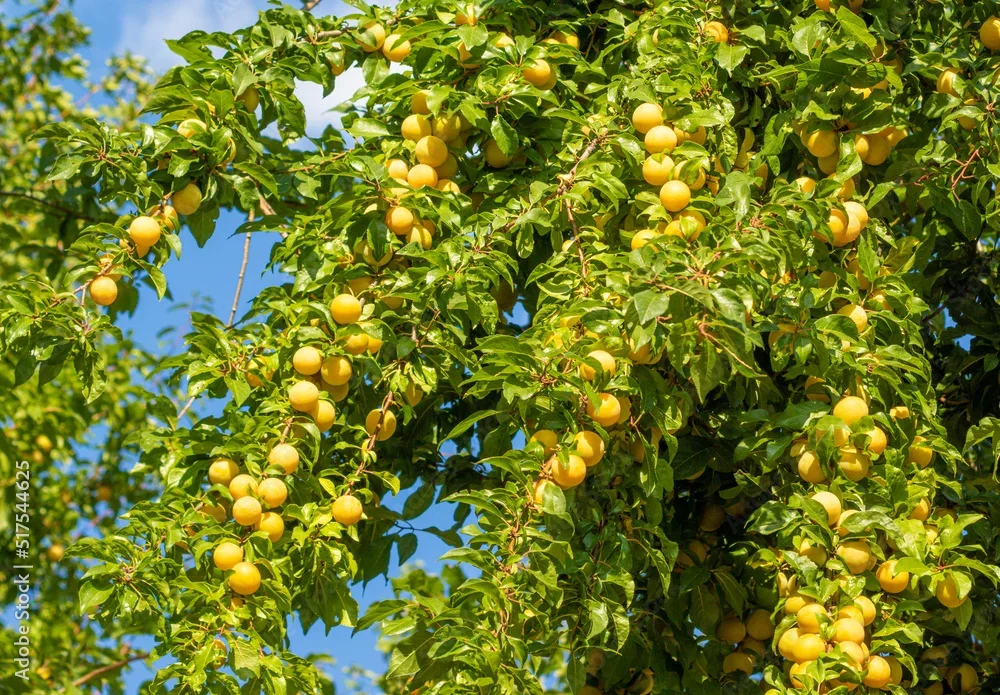
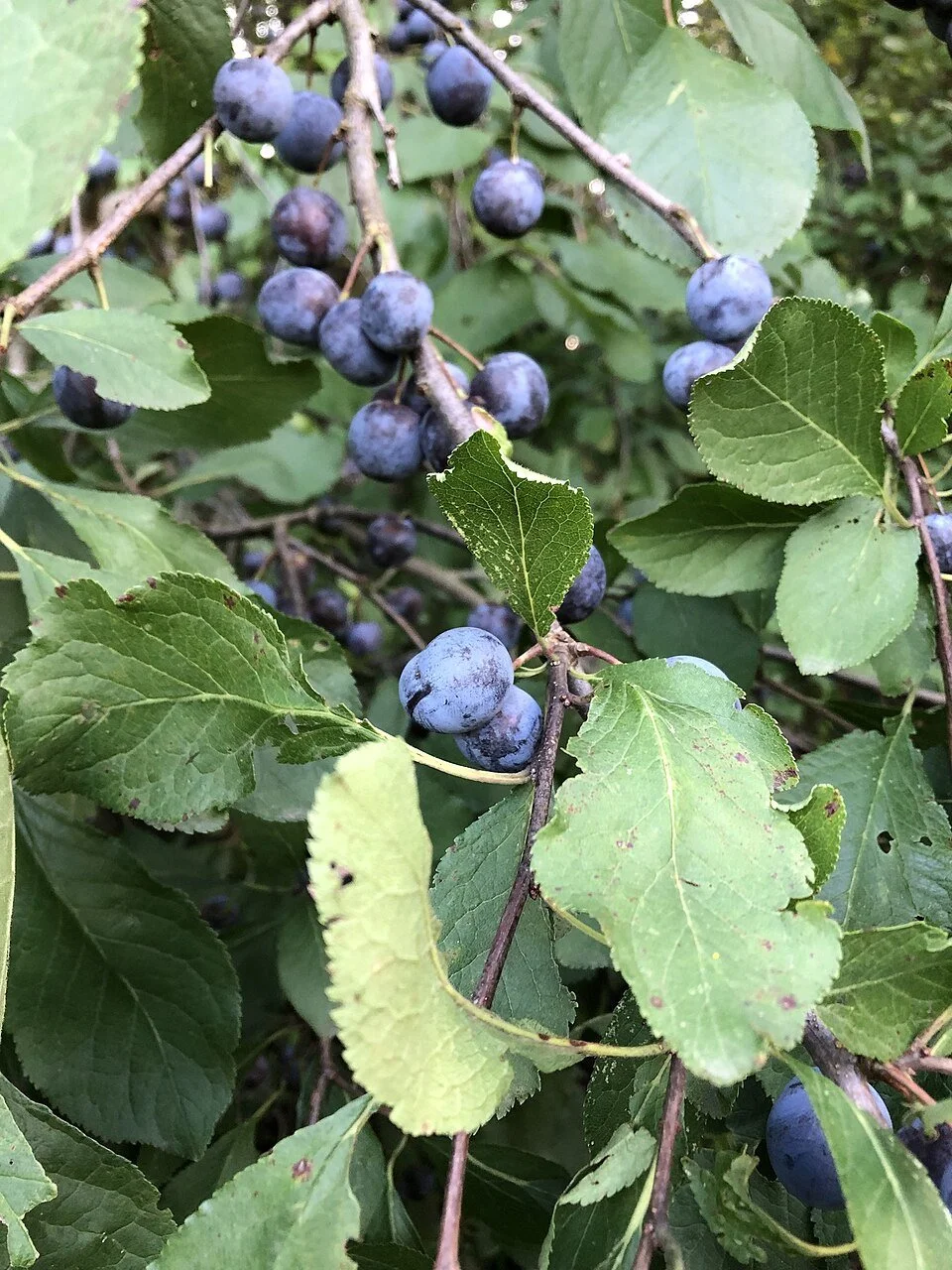
prunus domestica - quite a cold hardy prune tree originating in eastern europe, domesticated over 2000 years ago and spread throughout europe by the romans. many modern plum cultivars descended from prunus domestica.
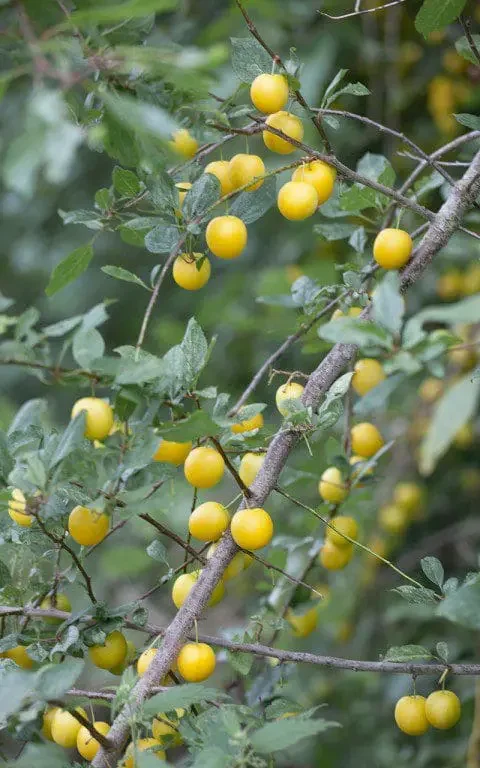
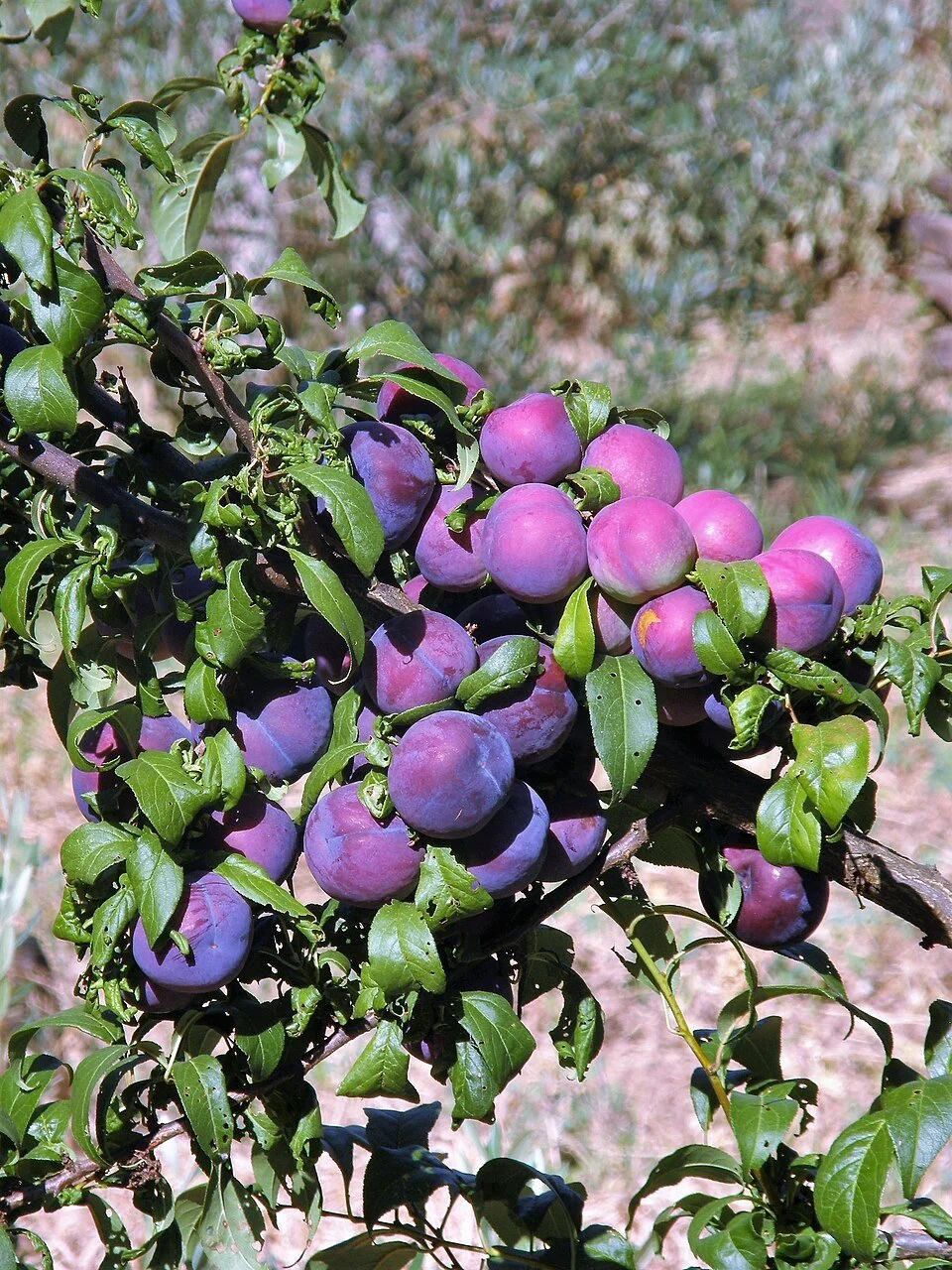
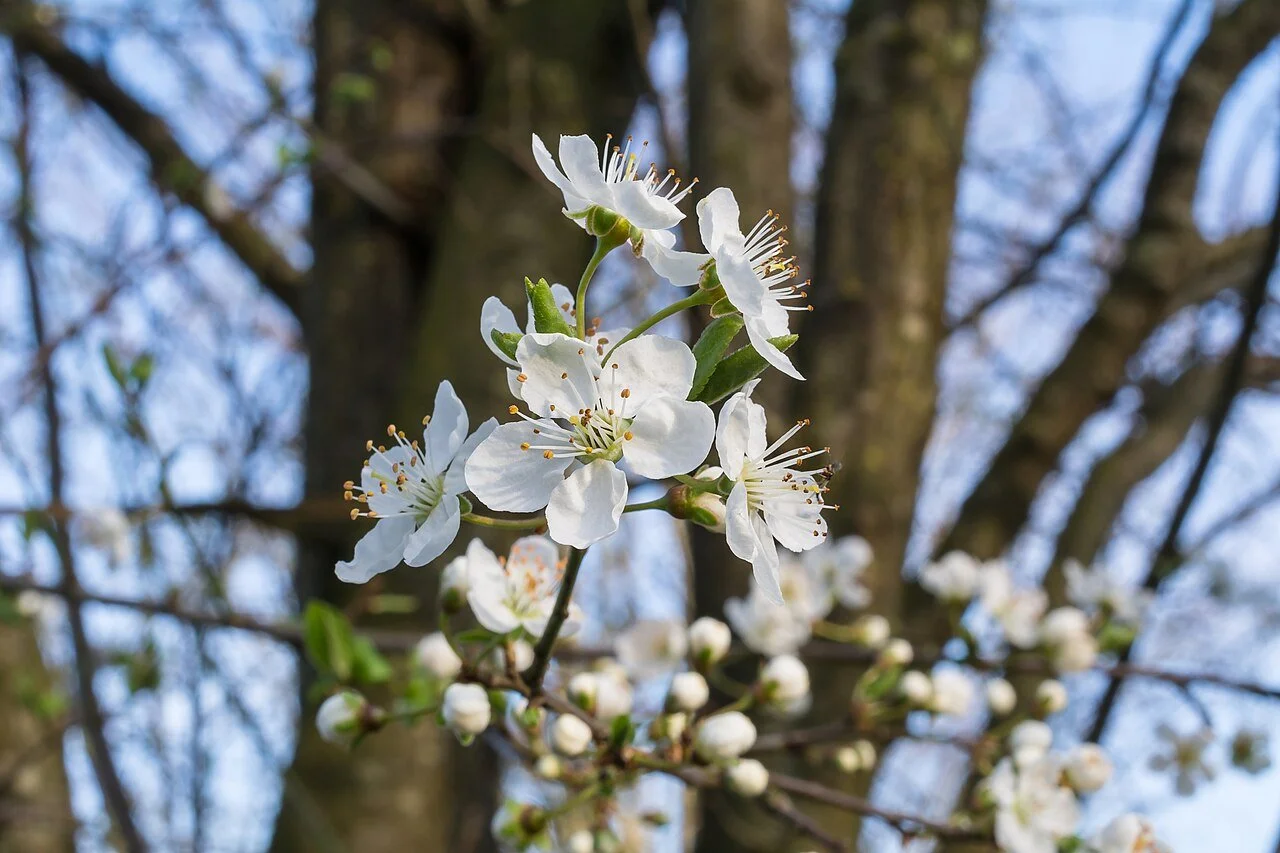
the trees top out at about 25 feet, and prefer full sun and well-drained soil. the flowers (white with five petals) come in early to mid-spring, and the fruit in late summer to early fall. the fruits are sweet, round and generally dark purple, with greenish flesh inside. they are quite sweet & high in vitamin c & antioxidants. they were traditionally used in jams, jellies, wines and are tasty in chutneys as well. they are the original dried prune plum, and fresh or dried are said to be beneficial to digestive health.
hardiness zone - 4-9
*these seeds have begun the germination process, and need to stay cold and damp until spring. they can be kept in the fridge with a moist paper towel or sawdust. they can be planted out once the ground has thawed, in pots or direct seeded.
prunus domestica - quite a cold hardy prune tree originating in eastern europe, domesticated over 2000 years ago and spread throughout europe by the romans. many modern plum cultivars descended from prunus domestica.
the trees top out at about 25 feet, and prefer full sun and well-drained soil. the flowers (white with five petals) come in early to mid-spring, and the fruit in late summer to early fall. the fruits are sweet, round and generally dark purple, with greenish flesh inside. they are quite sweet & high in vitamin c & antioxidants. they were traditionally used in jams, jellies, wines and are tasty in chutneys as well. they are the original dried prune plum, and fresh or dried are said to be beneficial to digestive health.
hardiness zone - 4-9
*these seeds have begun the germination process, and need to stay cold and damp until spring. they can be kept in the fridge with a moist paper towel or sawdust. they can be planted out once the ground has thawed, in pots or direct seeded.